Posted: 2011-10-11 20:42:11
Common Name: Norway Maple
Latin name: Acer platanoides
Family: Aceraceae
Size: Up to 70 ft normally around 50 ft
Shape: Trees are normally rounded with a dense canopy. When pruned they can be extremely different.
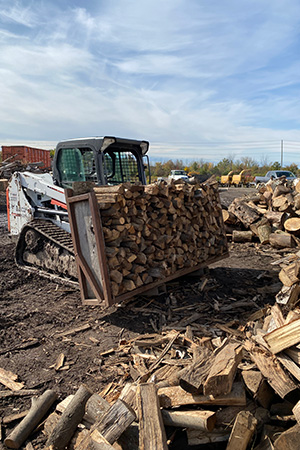
Trunk and Wood: The trunk typically branches out at approximately 15 % of the height. This is normally pruned up so functions can take place around the tree. The wood is straight on the trunk but can be twisted on the branches. The wood can be used for firewood, but does loose a lot of weight when dry.
Branches: The Norway branches grow upwards and then tend to spread horizontal to tree outline. If the tree is in a dense area with trees the branches will be fighting for light and grow upwards entirely.
Leaves: The leaves turn yellow in the fall. The leaves have 5 - 7 lobes (points). The leaves should be Green all growing season. Some other variations start purple, which isnt a pure Norway Maple, it is based off of it with a different name. The leaves are large and in the summer months collect a white powdery mildew during rainy and warm conditions. This is ok. It is ugly but will not harm the tree. These trees also are prone to Tar spot which is a black circle about the size of a dime. This is also common on Norway Maples due to weather and location. This fungus is spread airbourne.The only way to protect against this is to rake up all your leaves in the fall as well as your neighbours doing the same. This is nearly impossible.
Description: This Tree was very common to be planted 40 years ago and surprisingly still today. These trees grow well in poor soil and pollution rich areas. This tree is described as an invasive non native tree that is taking over native forests. This tree is a common tree to prune on a 3 year cycle. Unfortunately it is uncommon to see this tree live past 50 years. This tree suffers from a condition known as girdled root. This is when a root over laps another and grows restricting one or boths growth. This is fatal over time when the root grows around the trunk and suffocates the life from the rest of the tree. This can only be seen below the ground which is generally uncommon to do. There are ways to tell above the ground, but have a Certified Arborist inspect. People really like these trees because of the quick growth and shade canopy it provides. This tree is a water threat to your lawn and other plants. It is shallow rooted, and when planted with an irrigation system, the roots dont dig to stabilize due to the ease of surface water and are at a higher risk for litterallyfalling over.